How to Choose a Stretch Ceiling Profile: Selection Guide
Profile selection guide for stretch ceilings: decision criteria (mounting method, room height, membrane

09.07.2025 | Installation Guides, Profiles for Stretch Ceilings
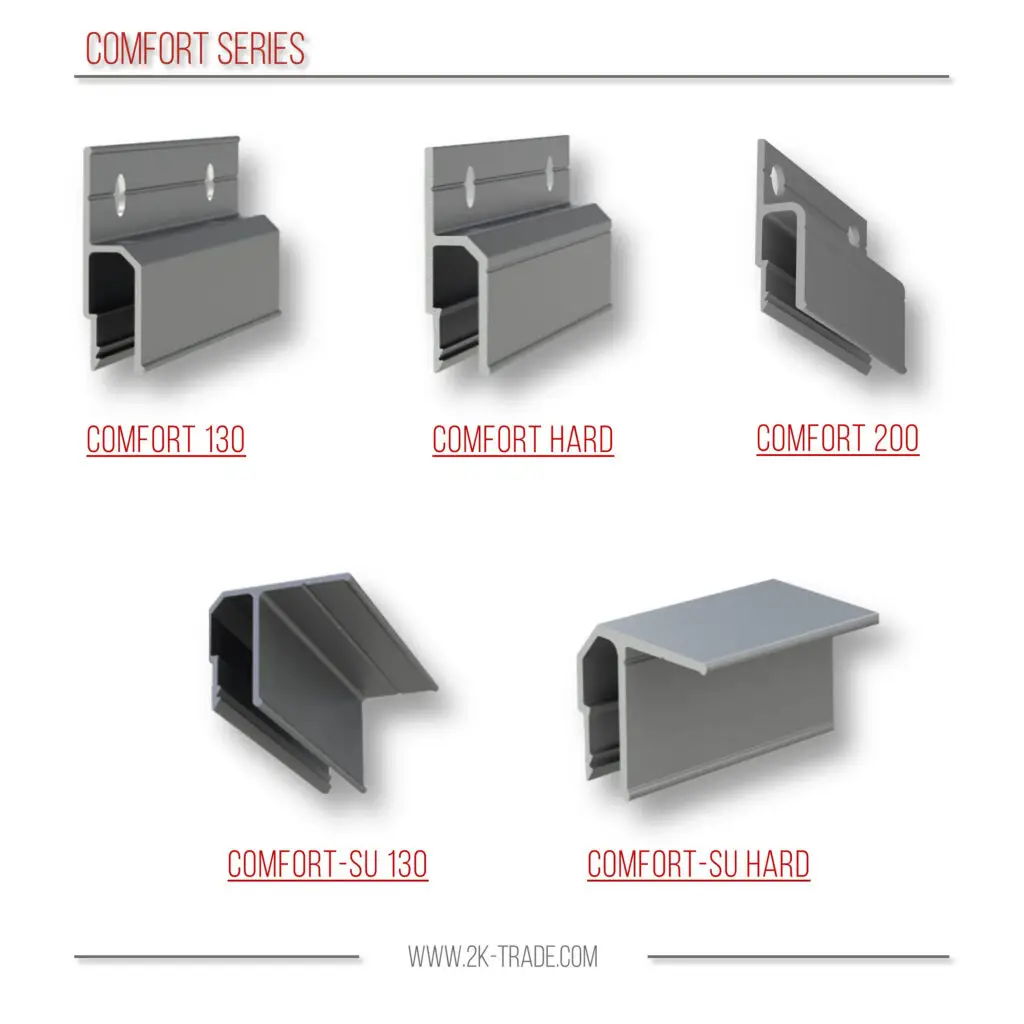
Aluminium profiles for stretch ceiling are the backbone of a stretch‑ceiling system: their rigidity keeps the membrane perfectly smooth for years. The COMFORT series from 2K‑Trade includes five variants – three wall profiles (COM.130, COM.HARD, COM.200) and two ceiling‑mounted versions (COM.SU.130, COM.SU.HARD). This guide compares wall thicknesses (0.9 / 1.0 / 1.2 mm), minimum installation height, recommended surface areas, accessories and the PH4 gasket, plus practical drilling rules, so you can select the basic profile for a stretch ceiling ideally suited to a bathroom, hallway or banquet hall.
Unlike gypsum, a PVC membrane is permanently tensioned by dozens of kilograms. A profile with walls that are too thin can bow slightly during installation, causing waves in the foil and light gaps where the wall profile for a stretch ceiling meets the plaster. An oversized profile, on the other hand, increases cost and drilling time. The COMFORT line forms a clear strength ladder: 0–25 m² → COM.130, 25–50 m² → COM.HARD, > 50 m² → COM.200. SU versions offer the same cross‑sections but fix to the slab – useful when walls are brittle, uneven or room height is limited.
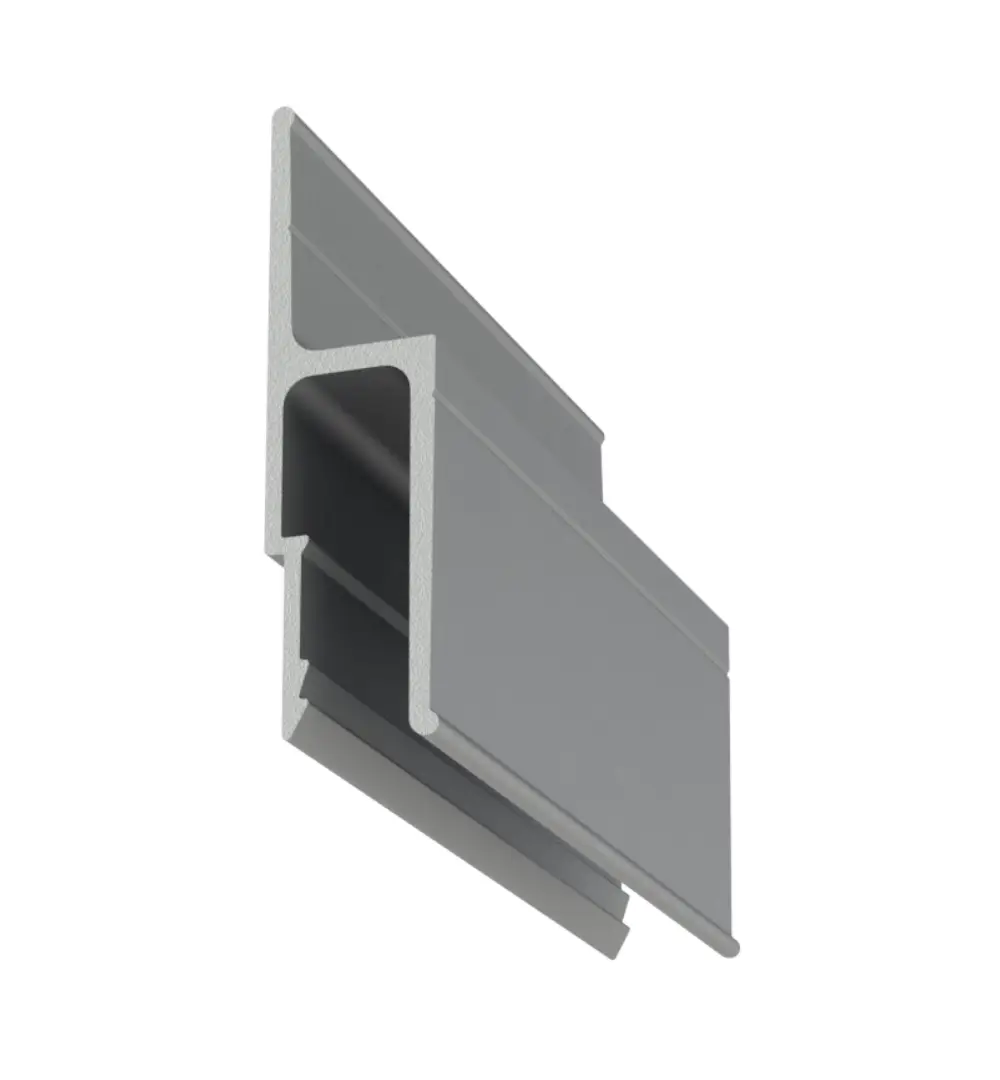
All profiles work with the flexible Trim Strip PH4 (white, black, grey, etc.) that hides the expansion gap and delivers a clean “wall‑to‑film” finish.
Surface area is the first filter, but layout width is just as important. A narrow corridor 1 × 33 m (33 m²) does not need COM.200 – COM.130 is enough because forces spread lengthwise. The same footage in 6 × 6 m should rest on COM.HARD, and if we exceed 50 m² or an 8 m diagonal, COM.200 is safer.
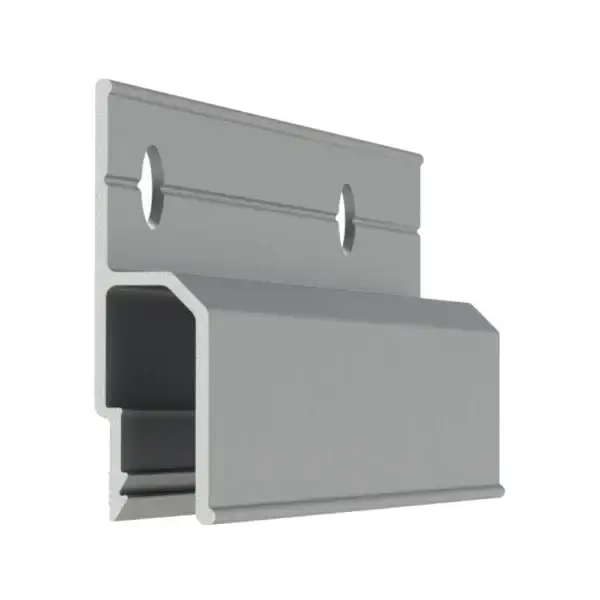
Factory Ø 6 mm holes speed the job: use a 6 mm wall plug and a 3.5 × 35 mm screw (aerated block) or 3.5 × 40 mm (concrete ≥ C20/25). Into timber or steel, fasten with a self‑drilling 3.5 × 55 mm screw without plug, guided by the shallow centring groove in the flange.
COMFORT profiles are made of hard AW‑6060 T6 alloy. Curves are achieved by slitting the mounting flange every 1‑2 cm (mitre‑saw angle 90°) and gentle hand bending. An angle grinder is faster but needs deburring afterwards; a circular saw gives the cleanest cut.
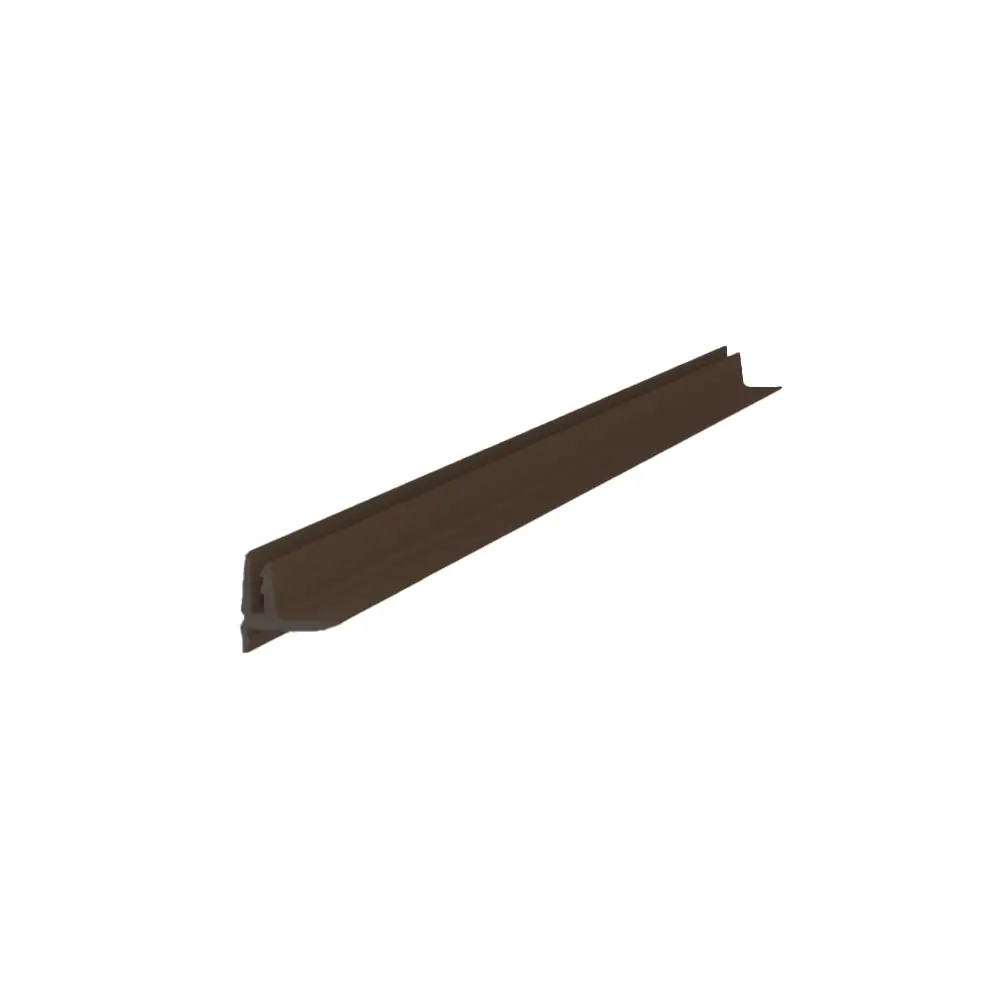
The flexible PH4 gasket in white, black or grey closes the 3‑4 mm installation gap and delivers a jointless “wall ↔ film” look without masking strips. Fit after the membrane is tensioned, starting from the corners.
Slim 3 × 4 m footprint, silica‑block walls. COM.130 with 6 × 40 mm plugs, 3.5 × 35 mm screws. PH4 white matches the tiles.
Long corridor 1.5 × 24 m. COM.HARD chosen for wider drill spacing. Factory Ø 6 mm holes every 90 mm cut installation time by 25 %.
Square 8.4 × 8.4 m. COM.200 maintained rigidity all round; 1.2 mm wall thickness prevented micro‑deflection while inserting the harpoon.
COM.130 every 5‑6 cm; COM.HARD and all SU versions 8‑10 cm; COM.200 10‑14 cm. In timber you can screw directly via the centring groove without pre‑drilling.
No – COM.200 is the stiffest profile; for curves we segment or use the more cut‑friendly COM.130.
Normally raw, as they are hidden above the membrane. From 300 kg upwards: powder coating or anodising for high‑humidity rooms.
Fixing to logs? Choose COM.SU.130 or COM.SU.HARD and screw 4.2 × 55 mm directly into rafters – stable support without wall drilling.
Choosing the basic stretch‑ceiling profile comes down to three numbers: area (m²), maximum width (m) and fixing method. COM.130 and COM.SU.130 cover small rooms, COM.HARD and COM.SU.HARD medium ones, and COM.200 anything above 50 m² or > 2 m width. All variants are in stock at 2K‑Trade – complete with PH4 gasket and 3.5 – 4.2 mm screw set. Stretch‑ceiling profiles from the COMFORT line are a safe investment in classic style and hassle‑free installation.
Profile selection guide for stretch ceilings: decision criteria (mounting method, room height, membrane
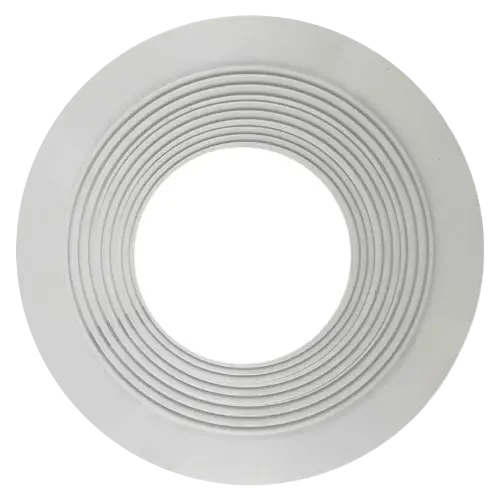
Practical guide to stretch ceiling accessories and tools: platforms, reinforcing rings, harpoons, gaskets,
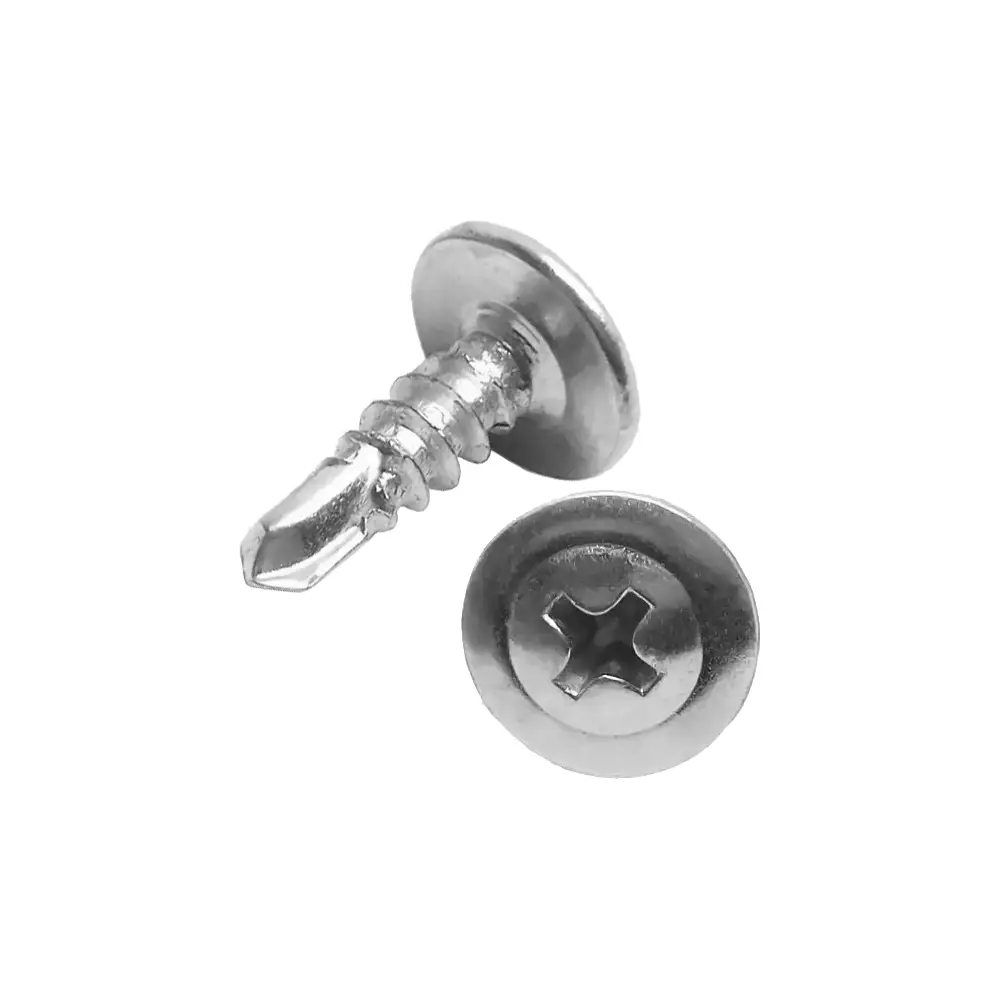
Wafer head screws: applications in stretch ceiling installation and steel construction, types, dimensions,