Recessed LED Profiles: Types, Installation and Component Selection
Guide to recessed LED profiles: types (GAMMA series for stretch ceilings, GK LINE

06.04.2026 | LED Lighting
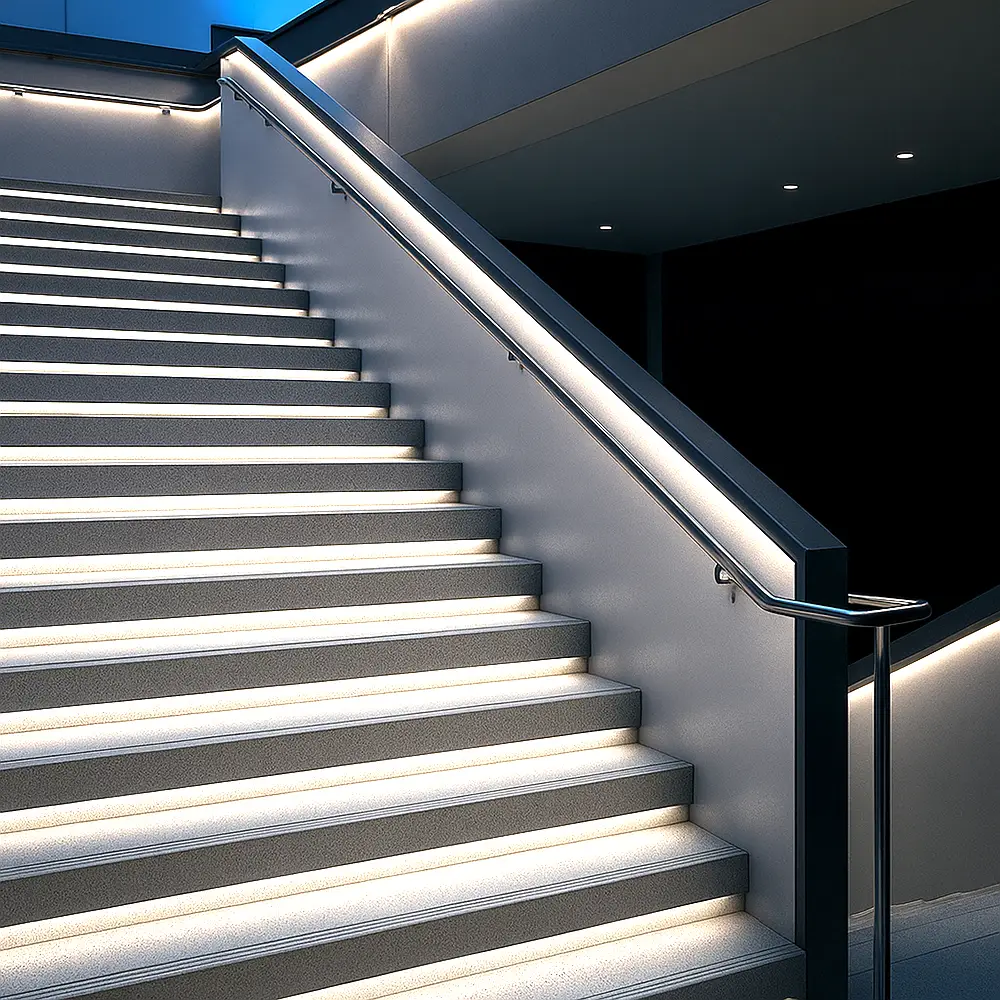
LED facade lighting transforms building exteriors after dark, combining architectural expression with practical visibility and security. Whether illuminating a commercial building, hotel entrance, residential facade, or retail frontage, the system must withstand outdoor conditions — rain, UV exposure, temperature extremes, and dust. This guide covers IP ratings, component selection, wiring, and mounting best practices for professional LED facade lighting installations.
The IP (Ingress Protection) rating is the most critical specification for any outdoor LED installation. It defines resistance to solid particles (first digit) and water (second digit).
| IP rating | Protection level | Facade application |
|---|---|---|
| IP20 | No moisture protection | Not suitable for outdoor use |
| IP54 | Splash-resistant | Covered areas only (deep soffits, porticos) |
| IP65 | Jet-proof (rain, hose) | Standard for most facade installations |
| IP67 | Temporary immersion | Ground-level, water features |
| IP68 | Continuous submersion | Underwater, fountain lighting |
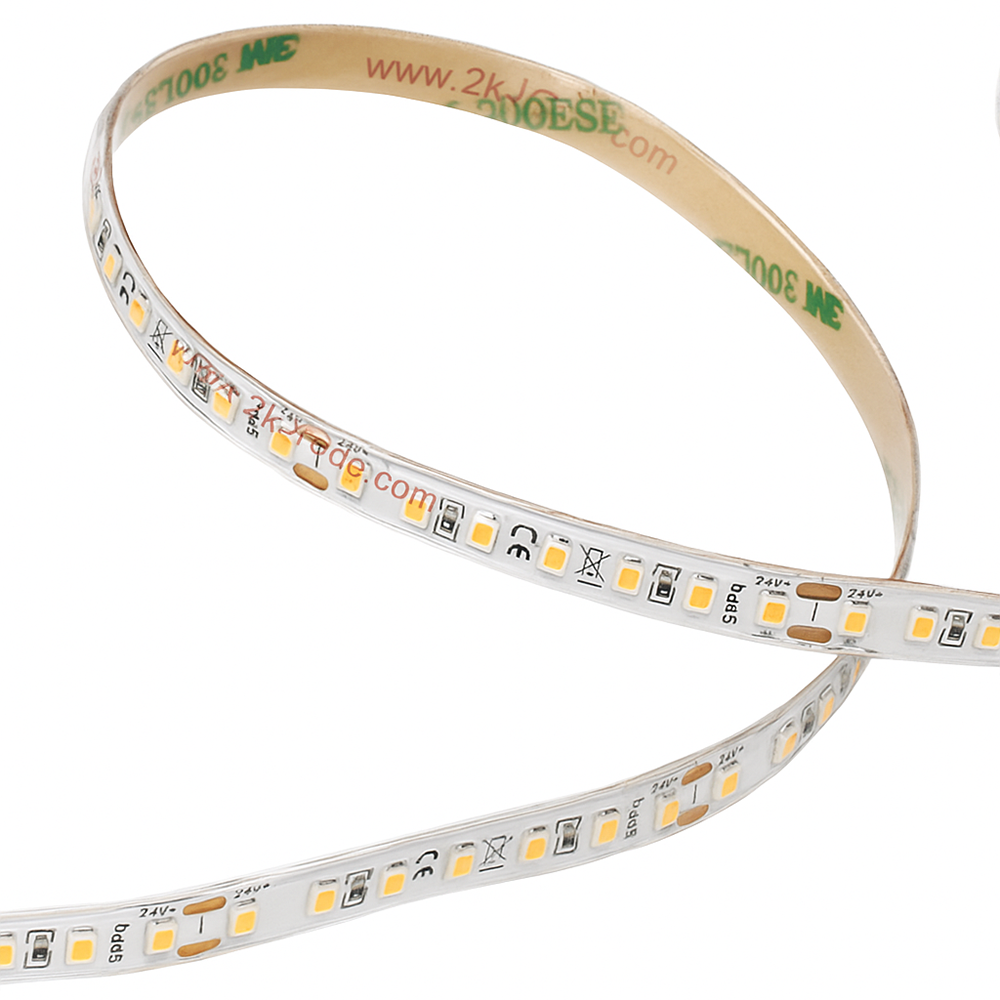
For most facade applications, IP65 is the minimum standard. IP65-rated LED strips use a silicone coating or sleeve that protects the LEDs and solder joints from rain, condensation, and airborne dust. 2K-Trade offers IP65 LED strips suitable for direct outdoor mounting.
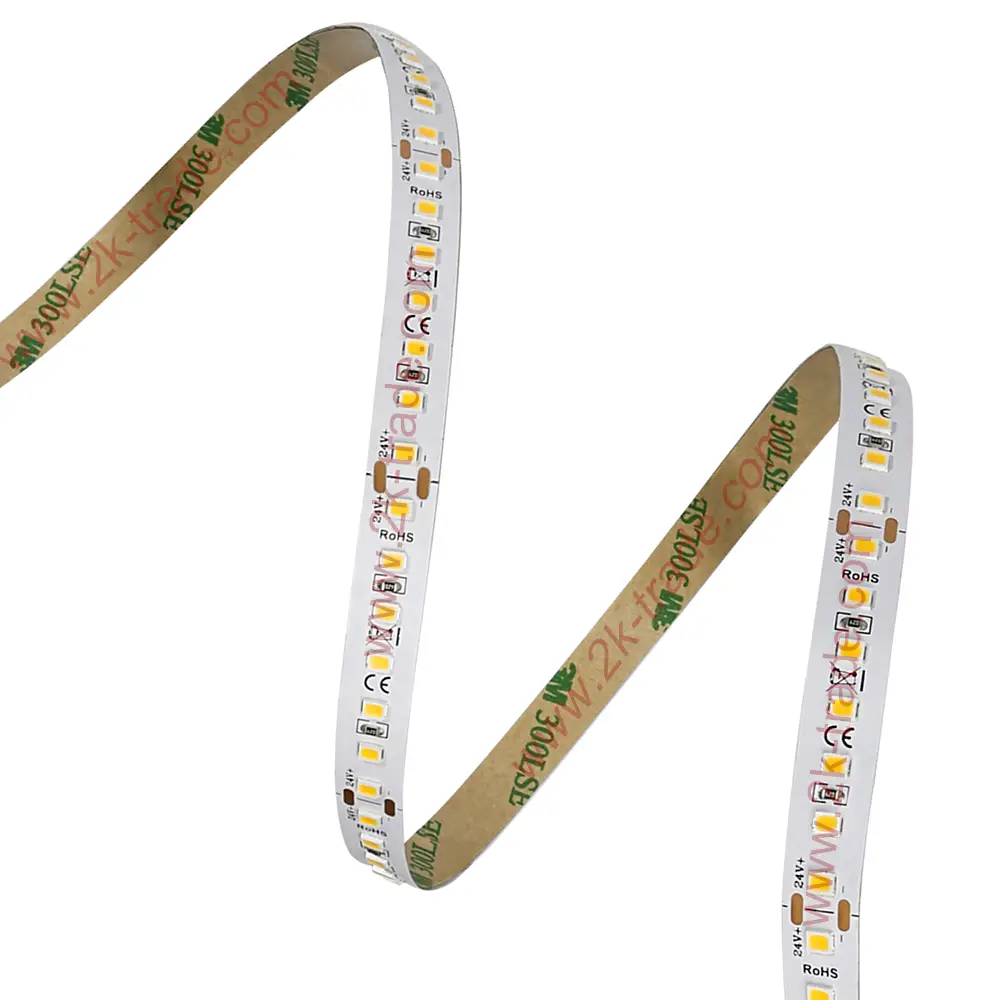
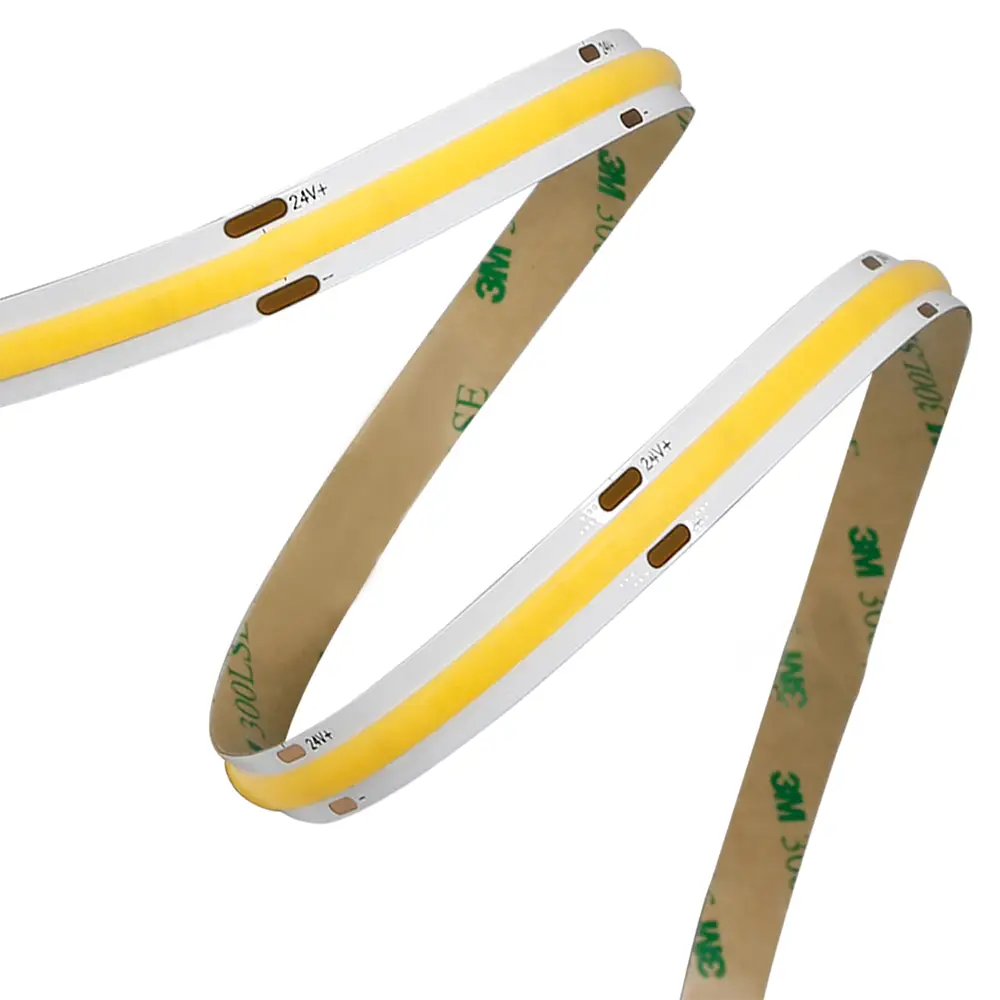
LED strips are the most versatile option for facade illumination. For outdoor use, select 24V DC strips with at least IP65 protection. Recommended types:
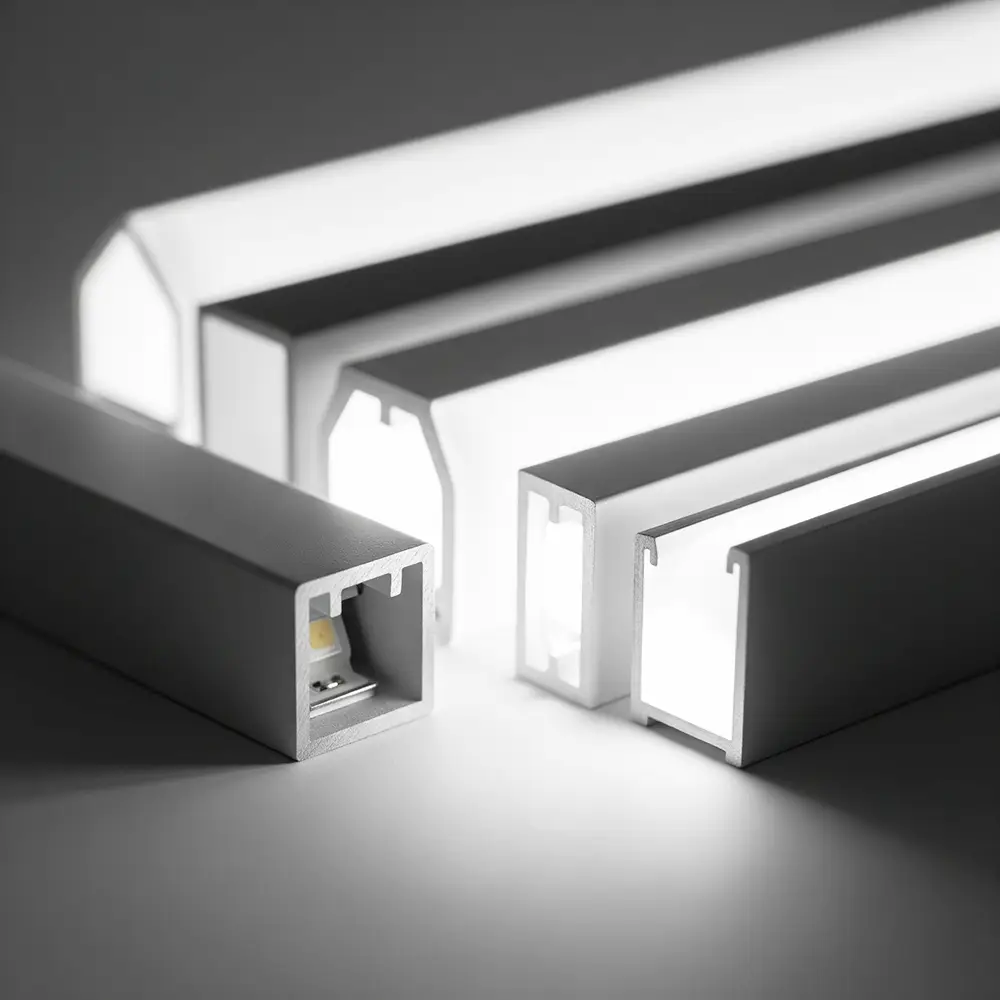
Never mount LED strips directly on a building surface outdoors. An aluminium profile is essential for three reasons:
Outdoor power supplies must be rated IP67 minimum. Meanwell HLG and ELG series are industry standards for facade lighting — they are potted (fully sealed), operate at -30 to +70 C, and include built-in dimming options. Size the PSU at 120% of the total strip power draw.
Browse LED power supplies at 2K-Trade.
IP65 is the minimum for any exposed facade installation. Use IP67 for ground-level fixtures that may encounter standing water, and IP68 for fully submerged or fountain applications. For sheltered areas (deep soffits), IP54 may suffice, but IP65 is always the safer choice.
Quality IP65 LED strips mounted in aluminium profiles have a rated lifespan of 30,000-50,000 hours. At 10 hours per day (dusk to dawn), this translates to 8-14 years. The main degradation factors are heat (mitigated by the profile) and UV exposure (mitigated by quality silicone coating). Without a profile, lifespan drops by 30-50%.
Yes. IP65-rated RGB and RGBW strips are widely used for commercial and hospitality facades. You need an outdoor-rated controller (IP67) and a power supply sized for the full RGB power draw (typically 14.4 W/m for 5050 RGB). RGBW strips add a dedicated white channel for better white light quality when colour effects are not needed.
3000 K (warm white) is preferred for residential buildings, stone, and brick facades — it creates a warm, inviting appearance. 4000 K (neutral white) suits commercial, concrete, and modern facades. Avoid 6000 K (cool white) on facades as it appears harsh and institutional at night.
Regulations vary by country and municipality. In many EU countries, exterior lighting on commercial buildings requires compliance with light pollution regulations (e.g. EN 12464-2 for outdoor workplaces). Residential facade lighting is generally unregulated below certain brightness thresholds. Always check local building codes before installation.
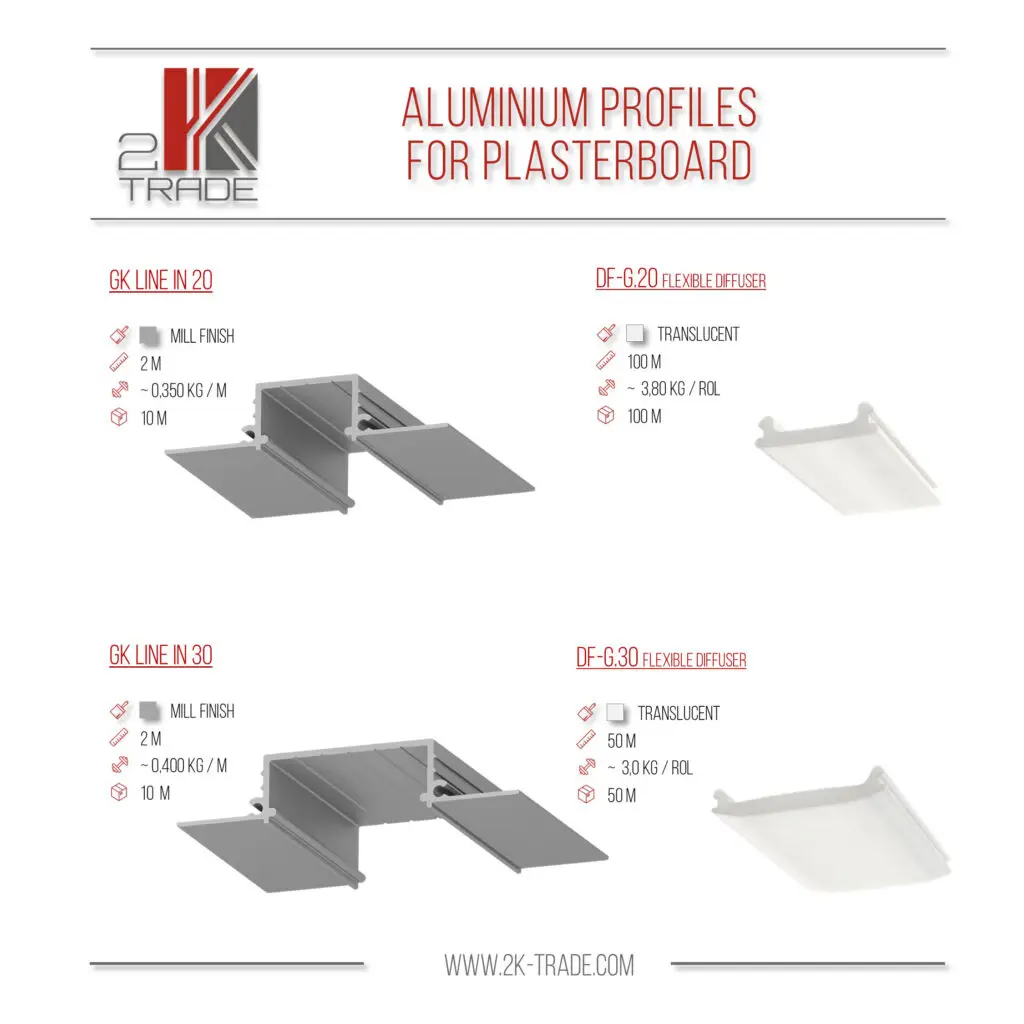
Guide to recessed LED profiles: types (GAMMA series for stretch ceilings, GK LINE
LED aquarium lighting requires specific spectral output to support aquatic life. Freshwater planted
LED ceiling lighting refers to systems using LED strips, modules, or panels installed
Cart is empty
Go to shop