Recessed LED Profiles: Types, Installation and Component Selection
Guide to recessed LED profiles: types (GAMMA series for stretch ceilings, GK LINE

06.04.2026 | Profiles for Stretch Ceilings
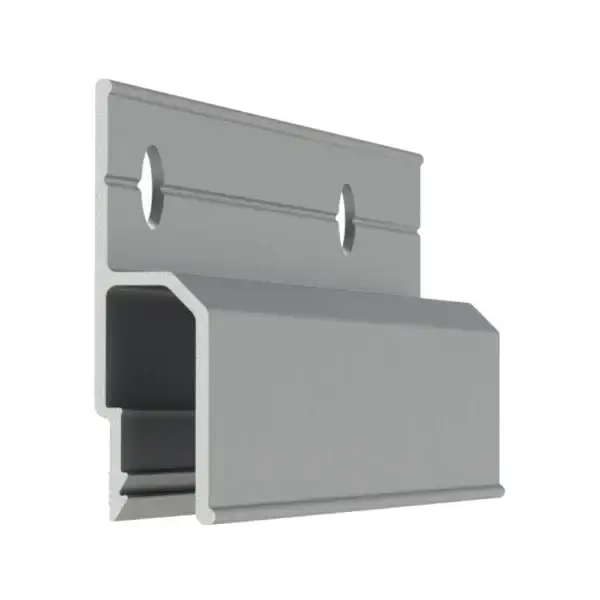
The stretch ceiling profile range includes dozens of models that differ in mounting method, weight, purpose and compatibility with lighting systems. Choosing the right profile for a specific project is a decision that affects installation quality, visual result and cost. In this guide we present a systematic profile selection process based on room conditions and project requirements.
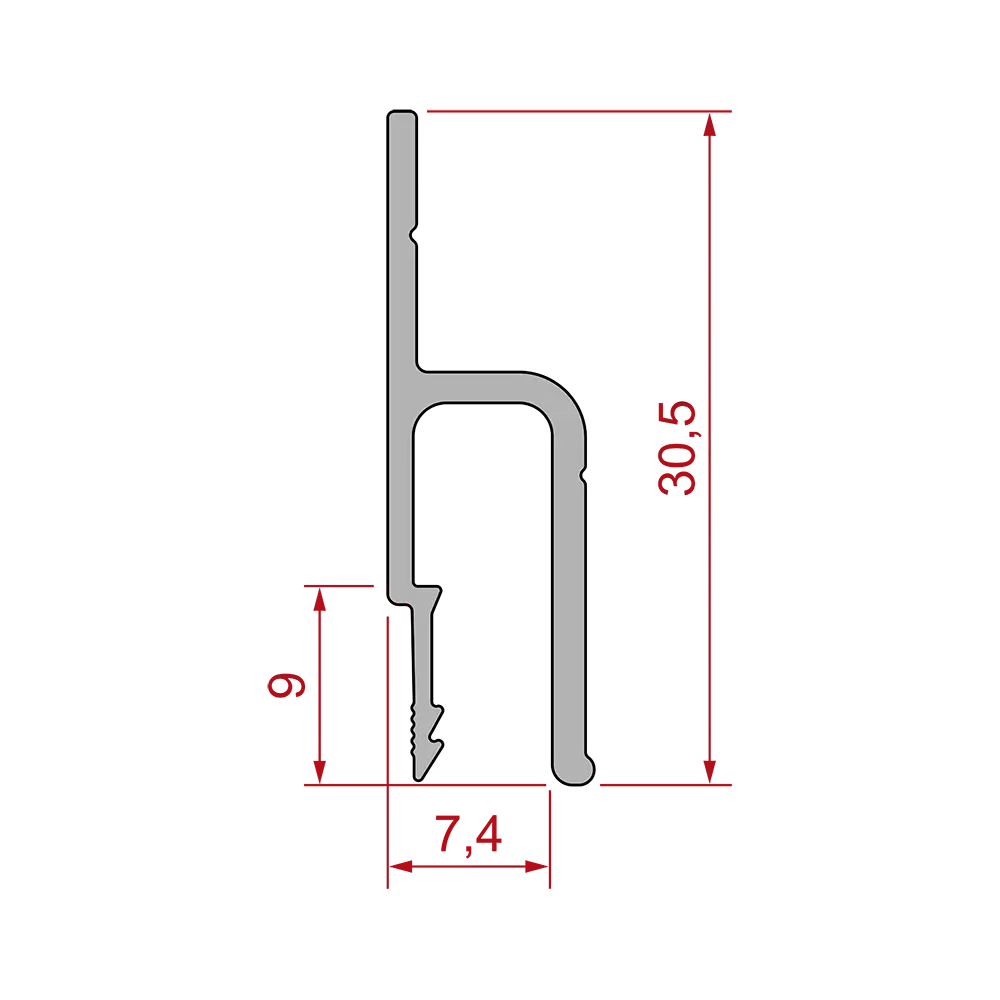
The first decision is between a wall profile and a ceiling-mount (SU) profile. A wall profile is fixed to the wall; a ceiling profile is fixed directly to the structural ceiling.
| Parameter | Wall profile | Ceiling profile (SU) |
| Fixing | To wall | To structural ceiling |
| Height loss | 3-5 cm | 2-3 cm |
| Wall requirements | Must bear mounting loads | No wall requirements |
| Typical use | Standard rooms | Plasterboard walls, glazing, heritage interiors |
| Series | CLASSIC, COMFORT, DELTA | CLASSIC-SU, COMFORT-SU, DELTA-SU |
Rule of thumb: if the walls are brick, concrete or blockwork — use a wall profile. If the walls are plasterboard, glass or another material that cannot bear loads — use a ceiling-mount SU profile.
In rooms with low ceilings (below 2.5 m) every centimetre matters. Ceiling-mount SU profiles minimise height loss to 2 cm, while wall profiles need a minimum of 3 cm.
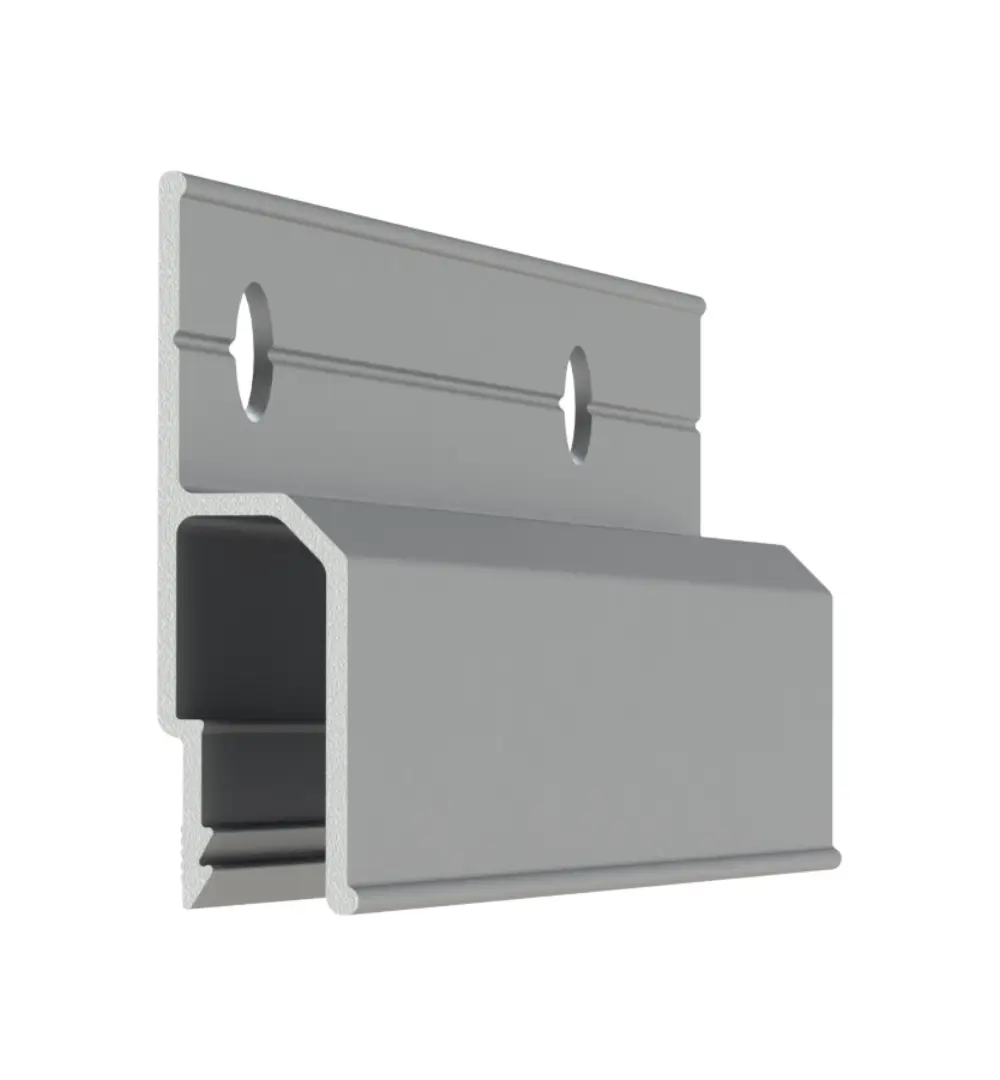
The three main profile series differ in design philosophy:
| Series | Characteristics | Advantages | When to choose |
| CLASSIC | Heavier, stiffer, precise | High stability, easier levelling | Large areas, demanding projects |
| COMFORT | Lighter, more flexible | Lower weight, less wall load | Small rooms, low-capacity walls |
| DELTA | Wide decorative gap | Shadow gap effect (floating ceiling) | Design projects, minimalism |
HARD variants (in the CLASSIC and COMFORT series) have thicker aluminium walls and are designed for large ceiling areas (above 30 m2), where membrane tension generates greater forces on the profile.
If the project includes LED light lines in the ceiling, dedicated LED profiles from the GAMMA series are needed in addition to the perimeter profiles.
| Requirement | Recommended LED profile |
| Narrow contour line (20 mm) | GAMMA 20 SLIM |
| Standard light line (30 mm) | GAMMA 30 SLIM |
| High-power line (>14 W/m) | GAMMA 30 HP |
| Vertical wall line | GAMMA 30 VERT |
Perimeter profiles (CLASSIC, COMFORT, DELTA) and LED profiles (GAMMA) are two independent system elements. The perimeter profile holds the membrane; the GAMMA profile creates the light line. Both types can be combined in a single room.
Ceilings at two or more heights require two-level profiles. A single profile accepts two membranes at different heights, eliminating the need for two separate perimeter frames.
If curtains are to descend directly from the ceiling with no visible rail, a curtain rail profile is needed. It is installed in the window zone and creates a recess that conceals the curtain track.
On surfaces where drilling is not possible (ceramic tiles, stone, glass), adhesive-mounted profiles are used:
The following decision flow leads to the right profile based on project conditions:
| Scenario | Perimeter profile | Additional profiles |
| Living room 25 m2, masonry walls | CLASSIC 170 or COMFORT 200 | — |
| Bathroom 8 m2, tiled walls | DELTA BOX (adhesive mount) | — |
| Living room with LED light line | CLASSIC 200 | GAMMA 30 SLIM |
| Hotel lobby 60 m2 | CLASSIC HARD | GAMMA 30 HP + two-level profile |
| Bedroom, low ceiling 2.4 m | CLASSIC-SU 125 | — |
| Living room with hidden curtain rail | COMFORT 200 | Curtain rail profile |
Can I combine profiles from different series in one room? Yes. CLASSIC, COMFORT and DELTA profiles all use the same harpoon system. In one room you might use CLASSIC on straight runs and DELTA in the window zone.
Which profile is best for curves and arches? CLASSIC 125 and COMFORT 130 with their smaller cross-sections are easier to bend on curves. Curved profiles with LED lighting are available in the curved profiles category.
Is it worth paying extra for a HARD variant? HARD variants are justified for large areas (above 30 m2) and heavy membranes. In standard residential rooms the regular versions are perfectly adequate.
How do I calculate the number of profiles for a room? Measure the room perimeter in linear metres. Add 5-10% for waste and cuts. Standard profiles are 2.5 m long, so divide the perimeter by 2.5 and round up.
Does 2K-Trade offer help with profile selection? Yes. Our sales team will help you select profiles based on a drawing or project description. Get in touch and send your room dimensions.
Choosing a stretch ceiling profile depends on several key factors: mounting method, room height, aesthetic requirements, LED lighting integration and substrate type. Working systematically through the criteria in this guide allows you to select the optimal profile without unnecessary cost or compromises. The full profile catalogue with technical data is available in the aluminium profiles for stretch ceilings section.
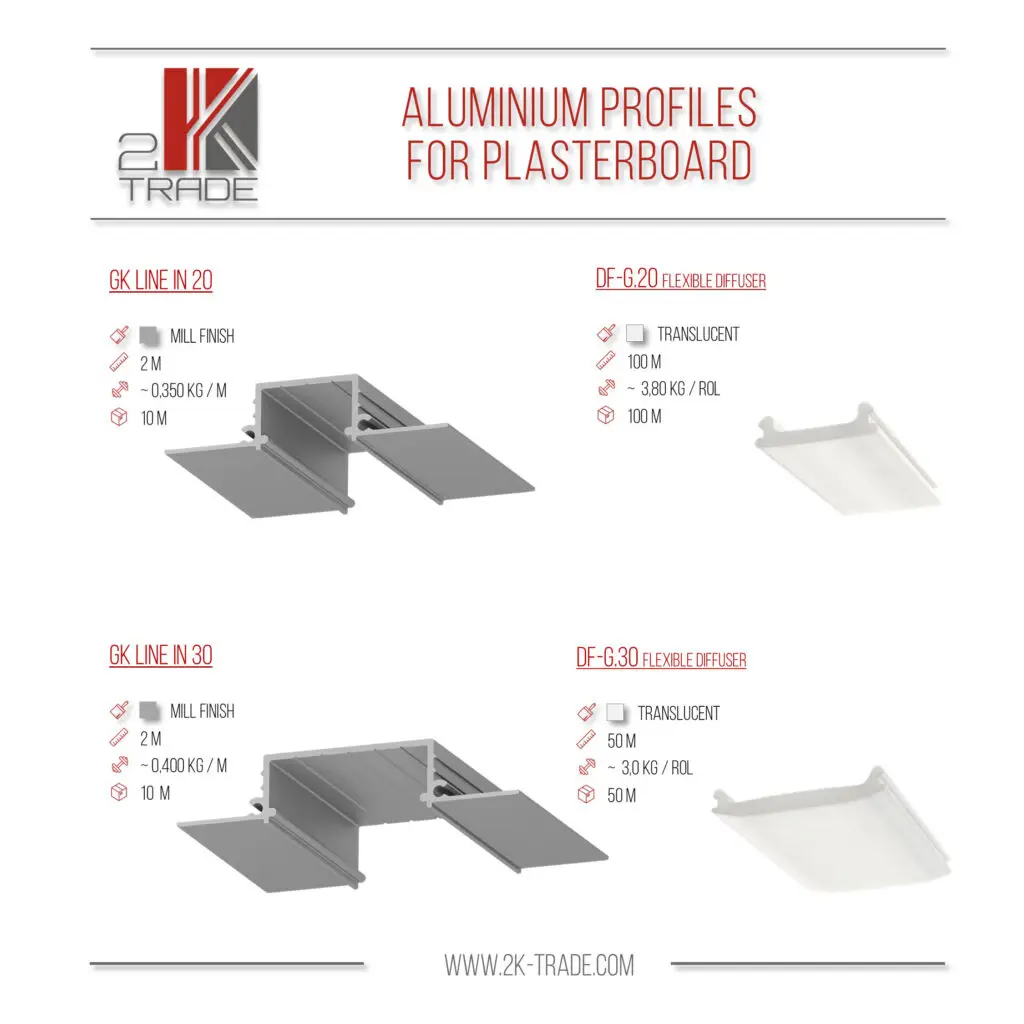
Guide to recessed LED profiles: types (GAMMA series for stretch ceilings, GK LINE
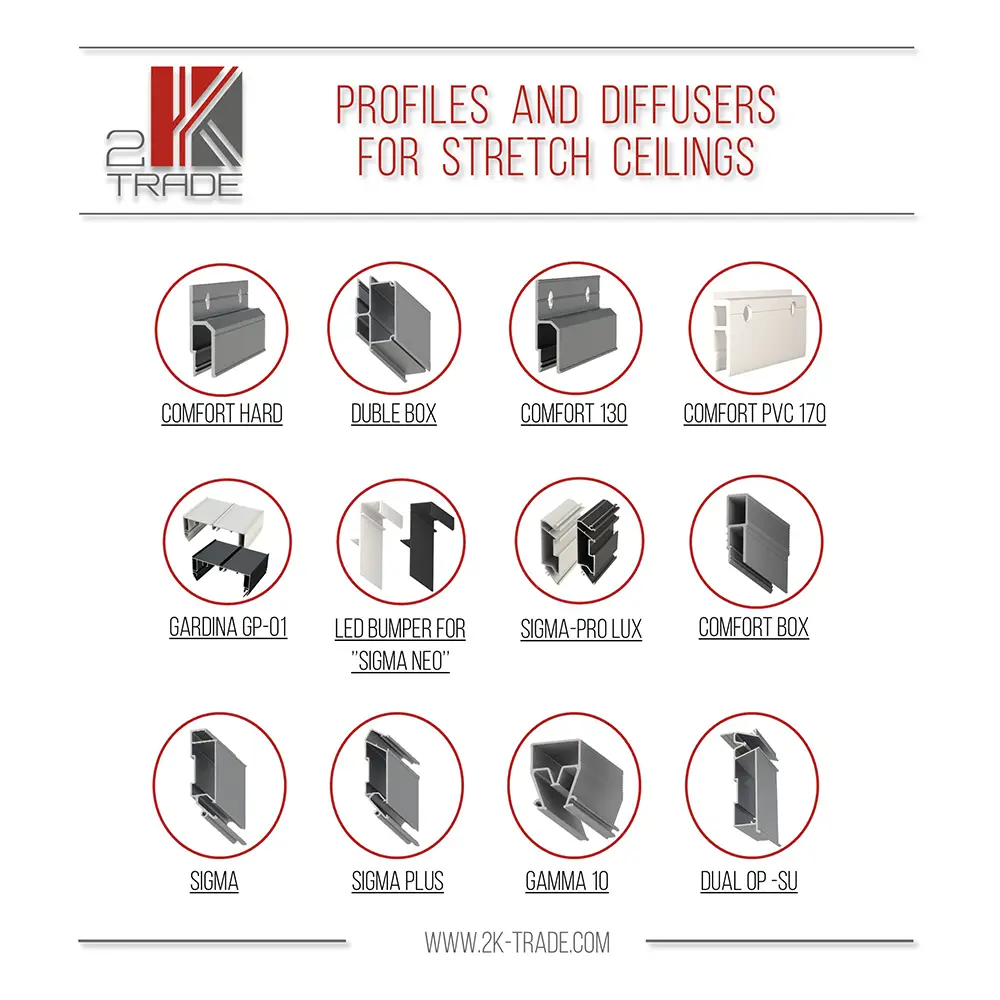
Complete catalogue of stretch ceiling profiles: CLASSIC, COMFORT, DELTA series, ceiling-mount SU variants,
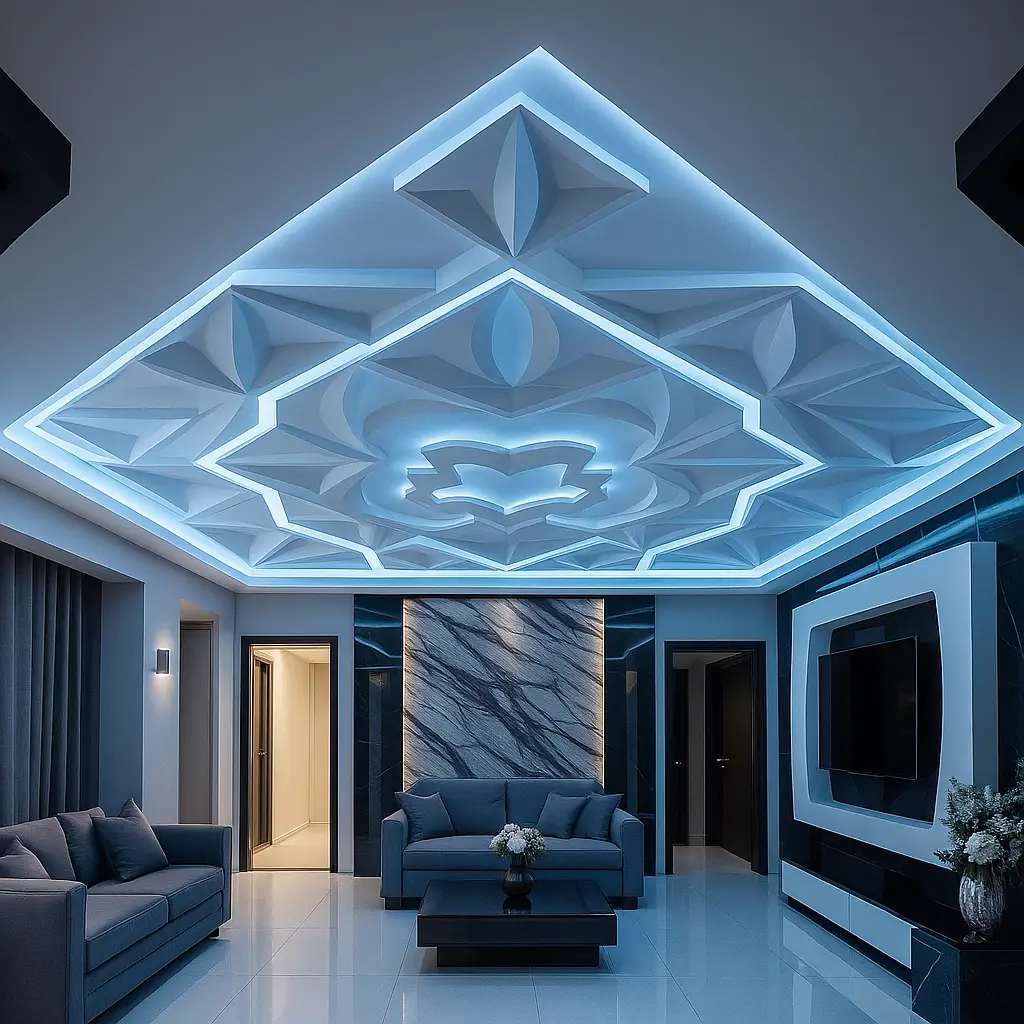
Comprehensive guide to stretch ceilings: membrane materials (PVC, polyester fabric), surface finishes (matte,