Recessed LED Profiles: Types, Installation and Component Selection
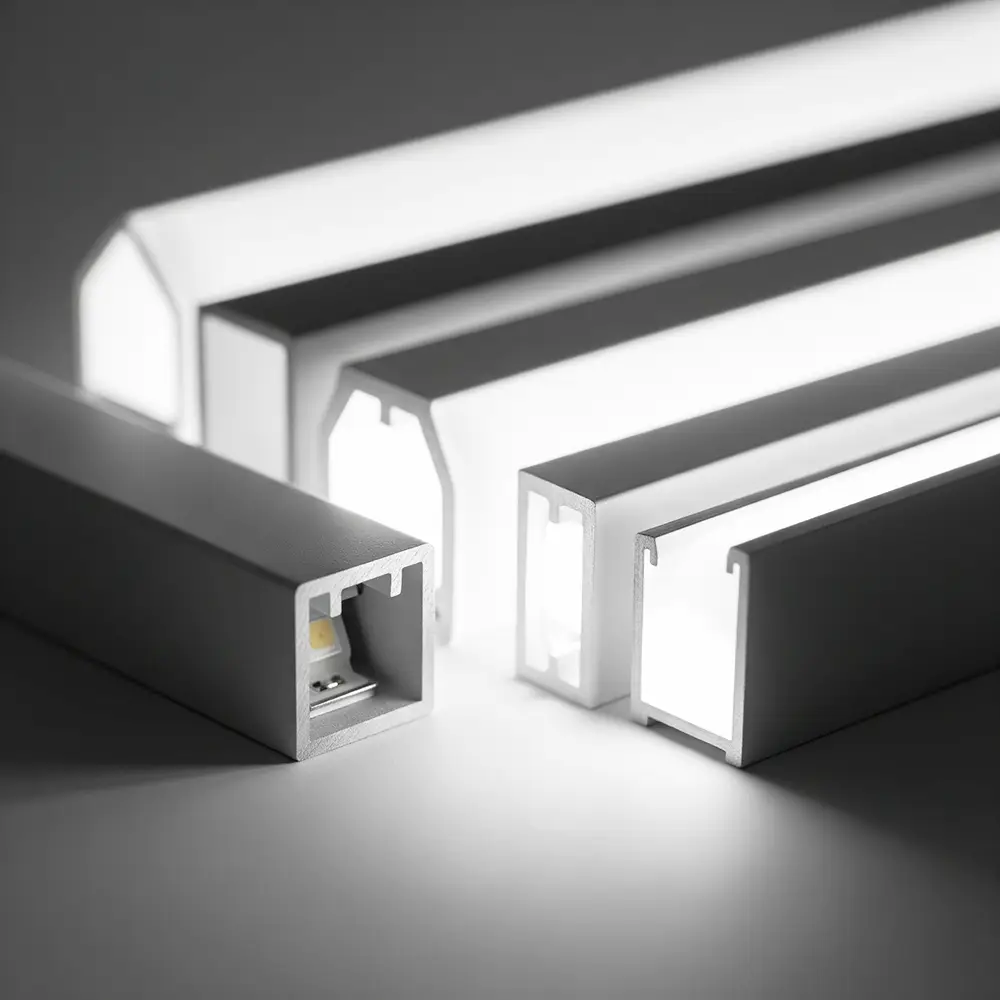
Guide to recessed LED profiles: types (GAMMA series for stretch ceilings, GK LINE

06.04.2026 | LED Lighting
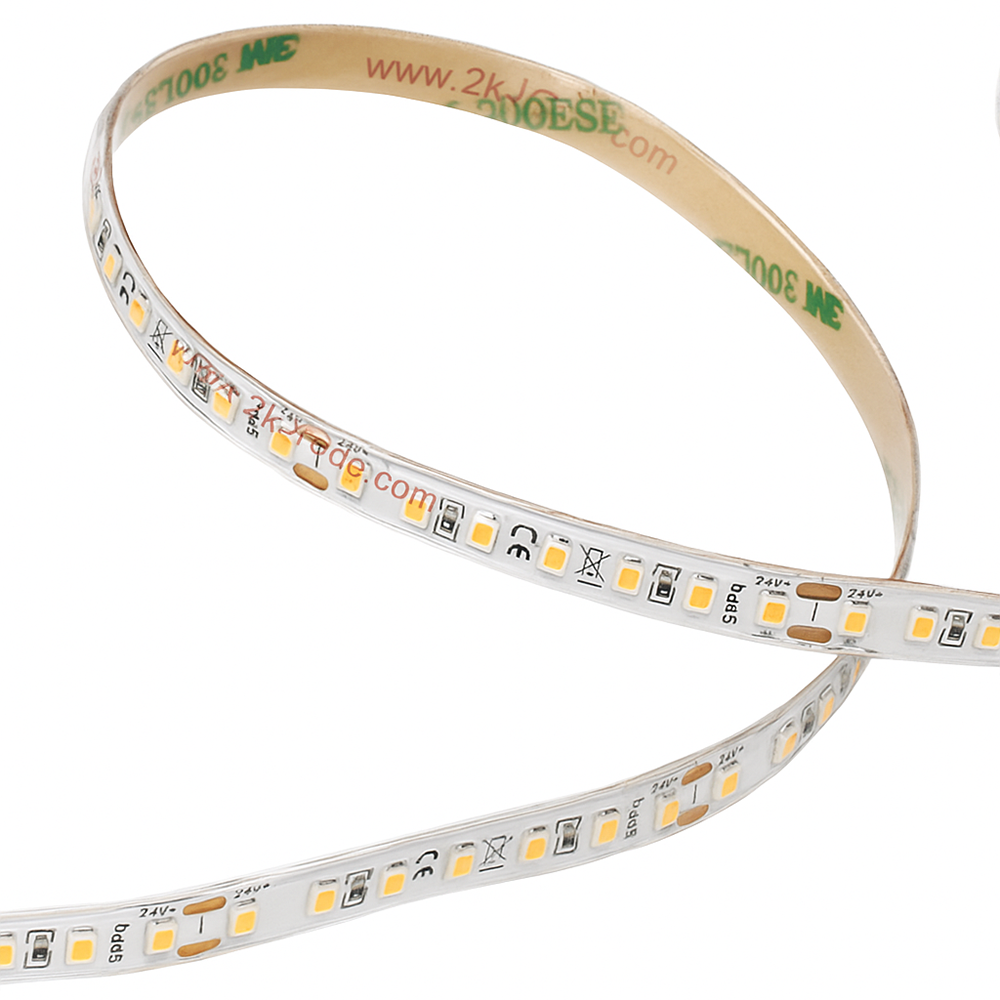
LED lighting for aquariums has largely replaced T5 fluorescent and metal halide systems in both freshwater and marine setups. LEDs offer superior energy efficiency (60-80% lower consumption), longer lifespan (30,000-50,000 hours vs 8,000-12,000 for T5), tuneable spectrum, and far less heat transfer to the water. This guide covers the technical requirements for aquarium LED lighting, including spectrum, brightness, IP protection, and component selection.
Different aquarium types need different spectral profiles. The spectrum determines both the visual appearance of the tank and the biological health of its inhabitants.
Aquatic plants perform photosynthesis primarily using red light (620-700 nm) and blue light (430-470 nm). The optimal lighting profile for a planted freshwater tank:
Corals and marine invertebrates require intense blue and actinic light for photosynthesis by their symbiotic zooxanthellae. Optimal profile:
Tanks without live plants or corals have no specific spectral requirements. Choose based on aesthetics:
| Tank type | Lumens per litre | Example: 200 L tank |
|---|---|---|
| Low-tech planted (easy plants) | 30-50 lm/L | 6000-10000 lm |
| High-tech planted (CO2, demanding plants) | 50-80 lm/L | 10000-16000 lm |
| Marine reef (SPS corals) | 80-120 lm/L | 16000-24000 lm |
| Fish-only | 15-25 lm/L | 3000-5000 lm |
These are guidelines — actual requirements depend on tank depth (light attenuates in water), plant species, and whether CO2 injection is used. Deeper tanks (above 50 cm) require proportionally higher output to reach the substrate.
Aquarium lighting operates in a high-humidity environment with potential water splash. IP rating requirements:
The power supply should be positioned outside the splash zone. If placed near the tank, use an IP67-rated unit.
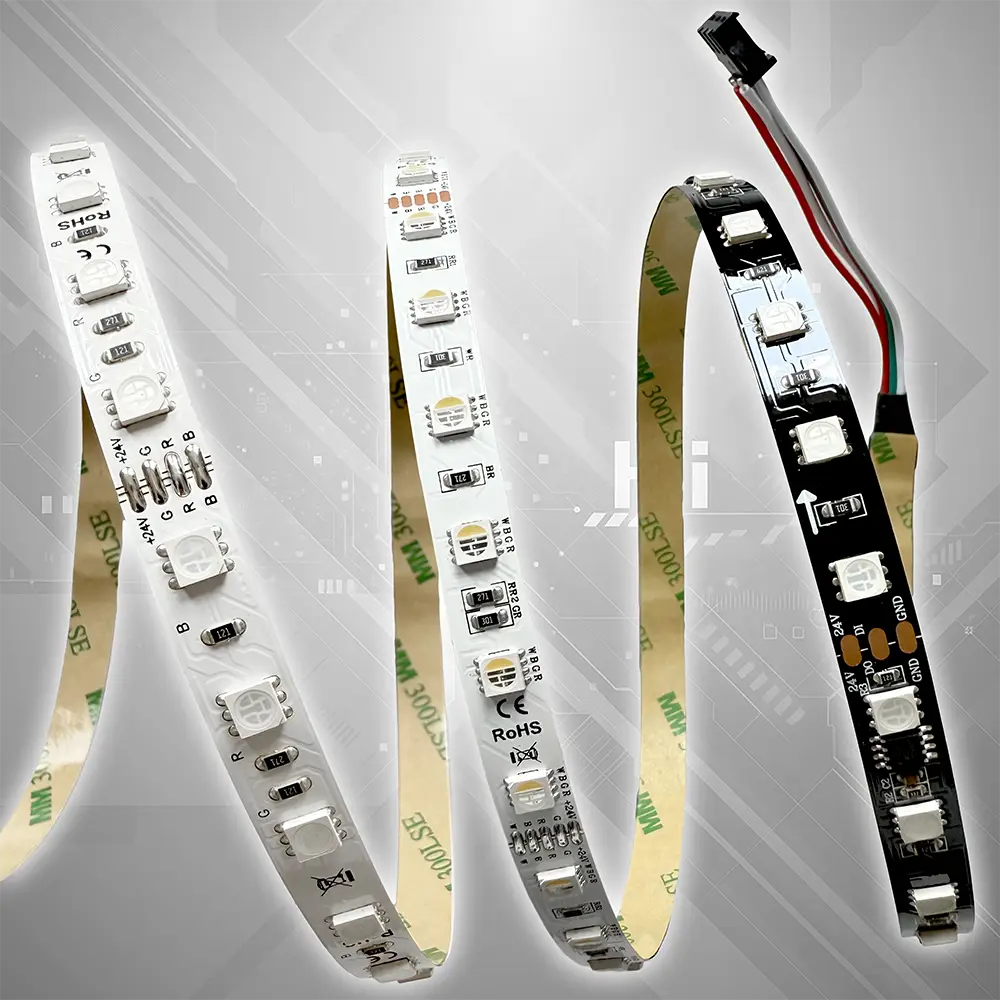
LED strips mounted in aluminium profiles are an increasingly popular DIY aquarium lighting solution. Advantages over commercial aquarium fixtures: lower cost, customisable length, replaceable strips, and tuneable spectrum (with RGB/RGBW or multi-channel strips).
Recommended setup:
Browse LED strips, aluminium profiles, and controllers at 2K-Trade.
LEDs produce significantly less heat than metal halide or T5 systems, but heat management still matters for aquarium applications. Elevated water temperature (above 26 C for most tropical freshwater species, above 27 C for reef tanks) stresses livestock and promotes algae growth. An aluminium profile acts as a heatsink, and mounting the light 50-100 mm above the water surface allows air circulation. For high-power setups (above 20 W/m), consider profiles with larger cross-sections or active cooling (small fans).
The watt-per-litre rule is outdated because LED efficiency varies widely. Use lumens per litre instead: 30-50 lm/L for low-tech planted tanks (no CO2), 50-80 lm/L for high-tech (with CO2 injection). A 200-litre low-tech tank needs approximately 6000-10000 lm total, achievable with 4-6 m of high-efficiency LED strip.
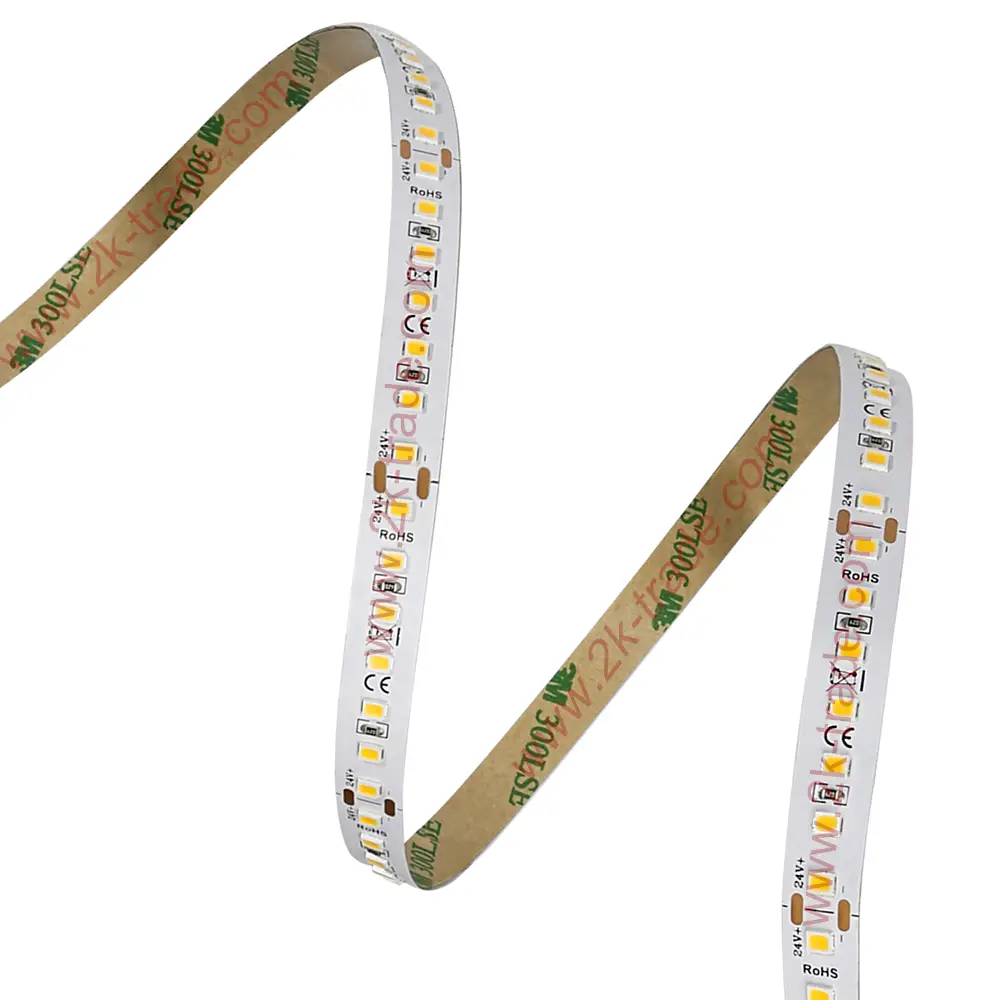
Yes, provided they are IP65 or higher for open-top tanks. Standard white LED strips (6500 K, high CRI) work well for freshwater planted tanks. For marine setups, you need strips with enhanced blue channels or dedicated actinic LEDs. Always mount strips in an aluminium profile for heat management — excessive heat shortens strip life and can warm the water.
8-10 hours for planted freshwater tanks, 8-12 hours for marine reef tanks, and 6-8 hours for fish-only tanks. Longer photoperiods encourage algae growth. Use a timer or programmable controller to maintain a consistent schedule. Gradual dawn/dusk ramps (30-60 minutes) reduce fish stress.
Blue light (430-470 nm) promotes compact plant growth and enhances root development. A small blue component is naturally present in 6500 K white LEDs. Dedicated blue LEDs are not required for freshwater planted tanks but are beneficial for visual pop — blue light makes green plants appear more vivid and enhances fish colour fluorescence.
LED is superior in every measurable metric: 60-80% lower energy use, 3-5 times longer lifespan, tuneable spectrum, dimmable, and produces less heat. T5 tubes also degrade in spectrum quality after 6-12 months and need annual replacement. The only advantage of T5 is lower upfront cost for basic setups — but LED pays for itself within 1-2 years through energy savings and zero tube replacements.
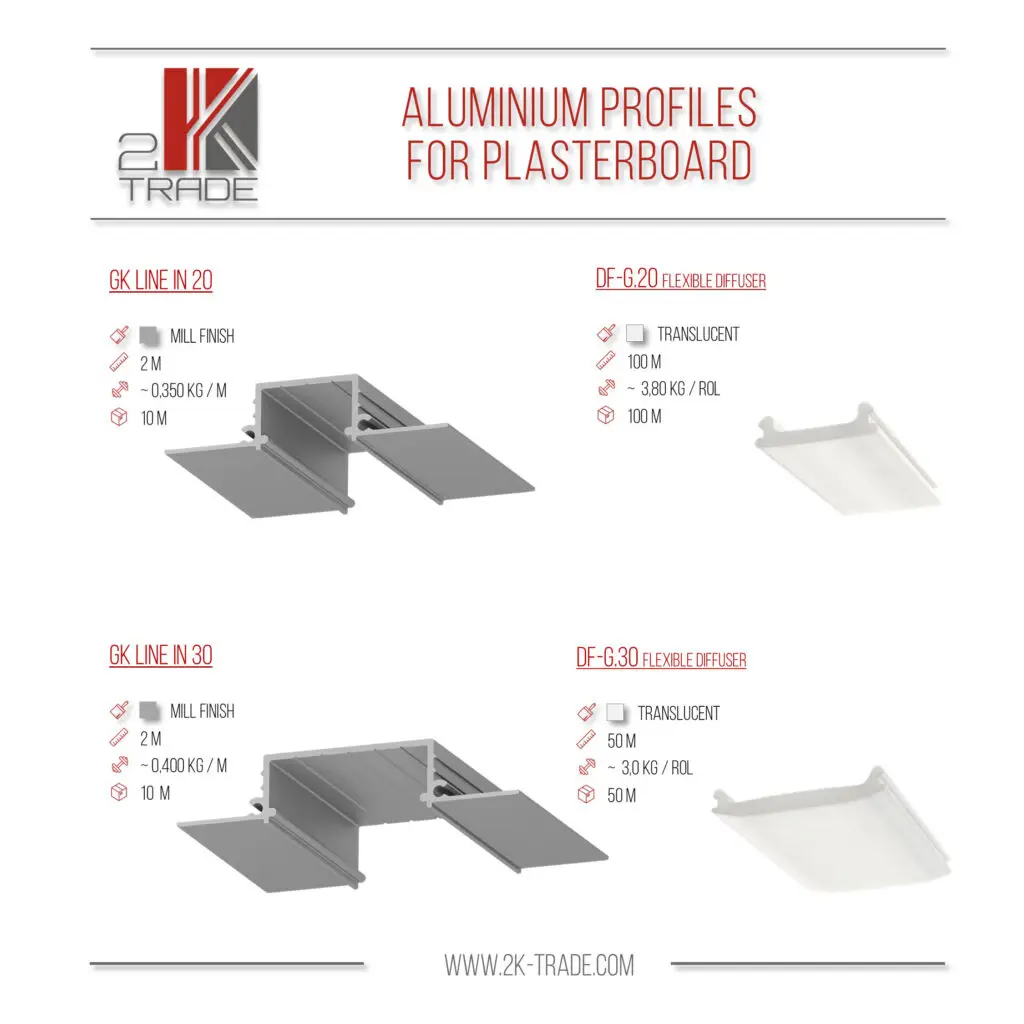
Guide to recessed LED profiles: types (GAMMA series for stretch ceilings, GK LINE
LED ceiling lighting refers to systems using LED strips, modules, or panels installed
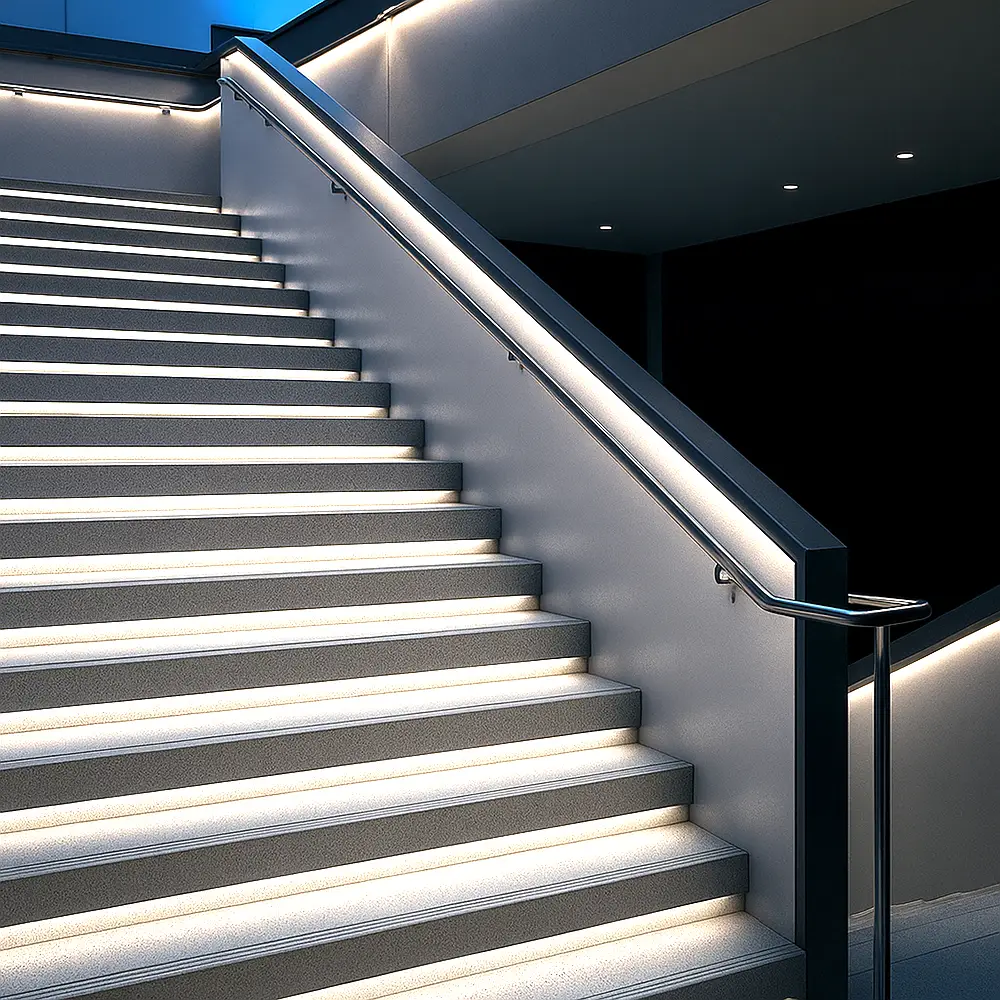
LED facade lighting uses IP65-IP68 rated LED strips, wall washers, and linear fixtures